Where Should Dangerous Goods Signs Be Displayed in Commercial Premises?
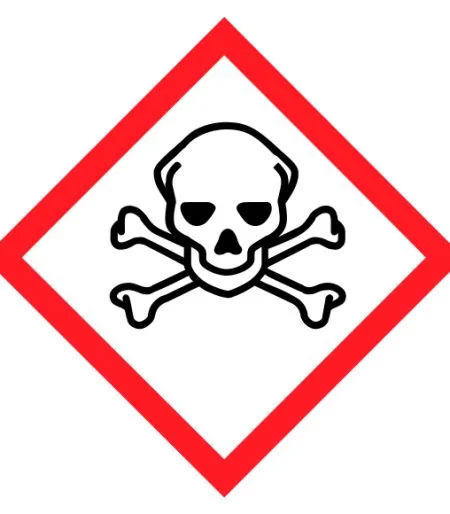
Commercial premises often contain materials that require careful handling, storage and identification. Cleaning chemicals, industrial substances, compressed gases and other potentially hazardous products can present risks when they are stored or used without appropriate precautions. Clear signage helps employees, contractors and visitors recognise these materials and understand the restrictions associated with particular areas. However, displaying a warning is not simply a matter of putting it on the nearest wall. Its position, visibility and relevance to the hazard all influence how effectively it communicates information.
Which Areas of Commercial Premises Require Hazard Warnings?
The placement of hazard-related signage should reflect where potentially dangerous substances are stored, handled, transported or used. A sign should be visible before someone enters an area where the relevant risk exists.
Common locations that may require appropriate warnings include:
- Chemical storage rooms: Identify areas containing cleaning agents, industrial chemicals or other hazardous substances.
- Maintenance workshops: Communicate risks associated with solvents, lubricants, fuels and maintenance materials.
- Loading and unloading zones: Alert workers to the presence of hazardous goods being transferred or temporarily stored.
- Plant rooms: Identify restricted areas containing equipment, pressurised systems or hazardous materials.
- Waste storage areas: Communicate precautions relating to the handling and segregation of potentially hazardous waste.
- Laboratories and processing areas: Identify substances and activities that require specific handling precautions.
The precise signage requirements depend on the materials present, their quantities, the activities being carried out and the applicable safety regulations. A general warning may not provide enough information where a specific hazard classification or handling instruction is required.
What Should Businesses Consider When Installing Signage in Kitchen Areas?
Commercial kitchens also contain materials and equipment that require clear identification. Cleaning products, sanitising agents, gas installations and certain storage arrangements can introduce hazards if people are unaware of the associated precautions.
Planning signage in kitchen environments requires attention to the activities taking place in each area. A warning near a chemical storage cupboard, for example, serves a different purpose from an instruction displayed near a hot cooking surface.
Some important considerations include:
Chemical storage: Cleaning agents and other chemical products should be identified appropriately. Relevant warnings should be visible near storage locations and handling points.
Gas and electrical equipment: Where applicable, signs can communicate restrictions and warnings around gas installations, electrical panels and equipment.
Hot surfaces and machinery: Instructions may be required near ovens, cooking equipment, food preparation machinery and other areas where contact hazards exist.
Staff-only areas: Signage can identify restricted storage rooms, maintenance spaces, and areas unauthorised individuals should not access.
Cleaning procedures: Notices can communicate relevant precautions around wet floors, cleaning activities and temporary restrictions.
The environment also influences the choice of display material. Kitchen signage may be exposed to heat, moisture, steam, grease and frequent cleaning. These conditions should be considered when selecting a suitable printed sign and deciding where it should be installed.
What Businesses Need to Know About Dangerous Goods Signage
What Businesses Need to Know About Dangerous Goods Signage is an important consideration when planning hazard communication across commercial premises. The purpose of this signage is to communicate relevant risks clearly and help people recognise the precautions associated with particular substances.
Dangerous goods can include flammable liquids, corrosive materials, toxic substances, oxidising agents and compressed gases. Different categories present different risks, so their identification should be appropriate to the material and the relevant regulatory requirements.
Several factors influence how these signs should be planned:
- Hazard classification: The sign should reflect the correct category of dangerous goods rather than use a general warning for every substance.
- Visibility: Warning information should be noticeable from the relevant approach or access point.
- Positioning: Signs may be required at entrances, storage locations, handling areas and other relevant points.
- Consistency: The visual information should remain consistent with the applicable hazard identification system.
- Condition: Damaged, faded or obstructed signs may no longer communicate the intended warning effectively.
For transport and workplace applications, different regulations may govern the symbols, labels and information required. Businesses should distinguish between general workplace warning signs and formal dangerous goods labels, as they are not necessarily interchangeable.
Where Are Dangerous Goods Signs Most Important?
The placement of dangerous goods signs should reflect the type of materials present and the activities taking place within a commercial premises. These signs help identify hazardous substances and communicate relevant warnings to employees, contractors and visitors.
Common locations include:
- Chemical storage rooms: Identify areas containing flammable, corrosive or toxic substances.
- Loading and unloading zones: Alert workers when hazardous materials are being transferred or handled.
- Maintenance workshops: Communicate risks associated with solvents, fuels, lubricants and other industrial products.
- Plant rooms: Identify restricted areas containing potentially hazardous materials or pressurised equipment.
- Waste storage areas: Indicate locations where hazardous substances are collected or temporarily stored.
The signs should be visible before people enter or begin working in the relevant area. Their symbols, wording and positioning should also reflect the applicable safety requirements. This helps ensure that the information is relevant to the actual hazard rather than serving as a general warning.
How Can Businesses Decide Where Each Sign Should Go?
A signage plan should begin with an assessment of the premises rather than a standard arrangement applied to every building. The same type of warning may need to appear in different positions depending on how people move through the space.
A useful planning process includes the following stages:
1. Identify hazardous locations
Map the areas where dangerous substances are stored, handled or used. Include temporary storage and transfer points where relevant.
2. Understand movement patterns
Consider how employees, contractors, delivery personnel and visitors approach each location. A warning placed outside the normal line of sight may be overlooked.
3. Match signs to the risk
Choose wording and symbols that communicate the specific hazard. Avoid using broad warnings where more precise information is required.
4. Consider viewing conditions
Lighting, viewing distance, shelving, doors and equipment can affect visibility. The sign should be positioned so that the intended audience can see it clearly.
5. Review the arrangement
Changes to storage areas, equipment or workplace activities may affect existing signage. Regular reviews help identify signs that have become outdated or incorrectly positioned.
What Printing and Design Factors Affect Commercial Safety Signs?
The effectiveness of a sign depends partly on how its information is presented. A crowded layout, poor contrast or unclear wording can make an important warning difficult to interpret.
Businesses should consider the following design elements:
- Text hierarchy: Give the main warning or instruction visual priority.
- Symbols and colours: Use recognised safety symbols and colour conventions where applicable.
- Typography: Select lettering that remains readable at the intended viewing distance.
- Material suitability: Consider indoor or outdoor exposure, moisture, temperature and cleaning requirements.
- Installation method: Select a suitable fixing arrangement for the wall, door, panel or other mounting surface.
Artwork should be checked before printing to ensure that symbols, wording and supporting details are correct. For regulated hazard signage, design decisions should follow the applicable standards rather than rely solely on visual preferences.
Maintaining Clear Hazard Communication Across Commercial Premises
Safety signage needs to reflect the actual conditions within a building. A warning that was appropriate when a storage area was first established may become unsuitable after materials, equipment or access arrangements change. Reviewing sign placement, checking the condition of printed displays and updating outdated information can help maintain clear communication. Foamex Printing Company provides signage and printing solutions for businesses requiring professionally presented information across different commercial environments.


Comments
Post a Comment