How Do Glow in the Dark Fire Exit Signs Help During Power Failures?
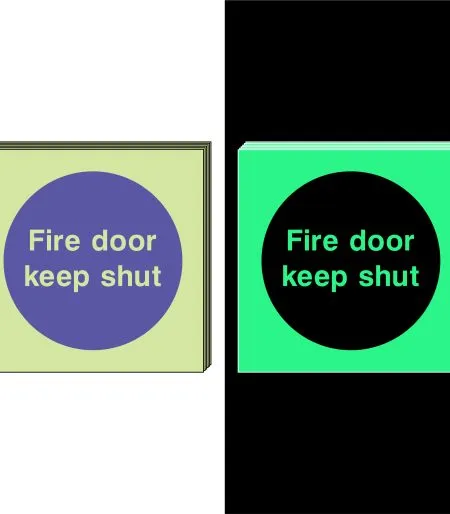
Power failures can create visibility challenges inside commercial buildings, particularly in premises with limited natural light or complex internal layouts. Corridors, stairwells, enclosed rooms and large public areas may become difficult to navigate when normal lighting stops working. In such situations, clearly identifiable emergency exit signage becomes an important part of a building's safety arrangements. Photoluminescent signs offer one way of maintaining visible exit information by using stored light energy rather than depending entirely on continuous electrical illumination.
What Happens to Emergency Signage During a Power Failure?
Emergency lighting and exit signage serve important functions when the normal power supply is interrupted. However, their operation depends on the type of system installed and the arrangements made within the building.
Electrically illuminated signs may use a backup power supply to remain operational during an outage. Photoluminescent signs work differently. Their specially formulated surfaces absorb light from suitable sources and release it gradually when the surrounding environment becomes dark.
This process allows the sign to remain visible for a period after the light source is removed. The level and duration of visibility depend on factors such as the material, the amount of light absorbed beforehand and the surrounding conditions.
Photoluminescent signage can therefore provide an additional visual reference along designated escape routes. However, it should not automatically be considered a replacement for emergency lighting or other required fire safety measures. The suitability of each system depends on the building's layout and applicable safety requirements.
Visibility and Functionality of Glow in Dark Fire Exit Signs
In buildings where occupants may need to identify an escape route during a power cut, glow in the dark fire exit signs help maintain visibility when normal lighting becomes unavailable.
Photoluminescent materials absorb light energy during exposure to an appropriate light source. When the surrounding area becomes darker, the material gradually releases this stored energy as visible light. This is why the signs are commonly described as glow-in-the-dark displays.
The effectiveness of the material depends on its exposure conditions. A sign installed in an area that receives insufficient light may not achieve the same level of brightness as one exposed to suitable illumination. Dirt, surface damage and ageing can also affect its performance.
Placement is equally important. A sign should be positioned where occupants can identify the relevant exit or direction of travel. Corridors, stairwells and changes in direction may require particular attention because people need clear visual information as they move through the building.
The design should also remain easy to interpret. Recognised emergency symbols, directional arrows and suitable contrast can help communicate the intended message without requiring occupants to read lengthy instructions.
How Glowing Exit Signs Support Visibility During Power Cuts
For a closer look at how photoluminescent technology works, the importance of proper sign placement and the factors that influence visibility during power cuts, explore our related blog: How Photoluminescent Fire Exit Signs Support Visibility During Power Cuts.
Where Should Photoluminescent Exit Signs Be Installed?
The positioning of photoluminescent signs should reflect the building's designated escape routes. A sign placed above an exit door can identify the doorway, while directional displays can indicate the route towards an exit where the direction is not immediately obvious.
Buildings with long corridors, multiple staircases or changes in floor levels may require additional directional information. The arrangement should help occupants follow a consistent route rather than leave them uncertain about which direction to take.
The surrounding environment should also be considered. Signs should not be concealed by decorative features, suspended equipment, advertising displays or other fixtures. Their visibility should be assessed from the locations where occupants are expected to approach and view them.
The required type, positioning and performance of emergency signage may vary according to the building and applicable fire safety standards. Businesses should therefore consider the complete fire safety arrangement when deciding where photoluminescent signs are appropriate.
What Information Should a Site Safety Notice Board Communicate?
A site safety notice board serves a broader communication purpose than an individual emergency exit sign. It provides a central location for displaying important safety information that employees, contractors and visitors may need to understand before entering or working within a particular area.
In commercial buildings, construction environments and industrial premises, these boards may communicate site rules, access restrictions, protective equipment requirements and emergency contact information. Their content should reflect the activities taking place and the people who need to access the information.
The layout is an important consideration. A notice board containing too many unrelated messages can become difficult to read. Grouping information under clear headings helps distinguish general instructions from emergency details and operational notices.
The location of the board also influences its usefulness. An entrance, reception area or designated briefing point may provide a suitable position because people can read the information before proceeding further into the premises.
Unlike fixed emergency exit signs, notice boards may contain information that changes regularly. Businesses should review the displayed content when site arrangements, contact details or safety procedures are updated. Outdated notices can create confusion and reduce the usefulness of the board.
What Factors Influence the Performance of Photoluminescent Signage?
The performance of a photoluminescent sign depends on the properties of its material and the conditions in which it is installed. One important factor is the amount of light available before the surrounding area becomes dark. Suitable exposure allows the material to absorb energy and produce a visible glow afterwards.
The installation environment also matters. A sign positioned behind an obstruction or in a poorly illuminated location may not receive adequate light exposure. Therefore, businesses should consider the surrounding lighting arrangement when planning its position.
Material condition is another consideration. Dust, dirt, scratches and surface deterioration can affect the appearance and visibility of the display. Regular inspection helps identify signs that may need cleaning, repair or replacement.
Businesses should also distinguish between general decorative glow-in-the-dark products and photoluminescent materials intended for safety applications. Emergency signage should meet the relevant performance and regulatory requirements rather than being selected solely because it glows in darkness.
How Does Printed Safety Information Support Building Management?
Printed safety information contributes to a wider system of workplace communication. Individual signs can identify hazards, explain restrictions and provide directions, while notice boards can bring together information relevant to an entire site or building.
Consistency across these displays can make the information easier to recognise. Clear typography, suitable colour contrast and organised layouts help prevent important messages from being lost among decorative elements.
Material selection should reflect the installation environment. Indoor notice boards may have different requirements from signs positioned in exposed or frequently accessed areas. Businesses should also consider the intended fixing method, display dimensions and how easily the information can be updated.
For emergency signage, the printing and design process must account for the applicable safety standards. A visually attractive sign is not necessarily suitable for an emergency application unless its material and performance meet the required specifications.
Maintaining Visibility When Normal Lighting Is Unavailable
Emergency signage needs to remain relevant to the building's layout and fire safety arrangements. Photoluminescent displays can provide visible exit information after suitable light exposure, while notice boards help communicate wider site instructions. Their usefulness depends on appropriate positioning, material performance and regular maintenance. Foamex Printing Company provides printing and signage solutions for businesses requiring clear visual communication across commercial environments.


Comments
Post a Comment